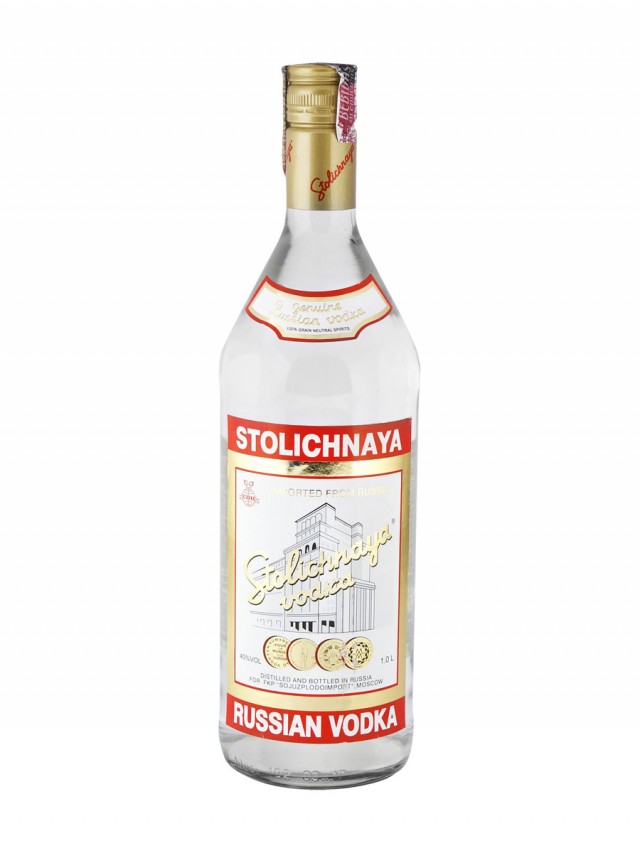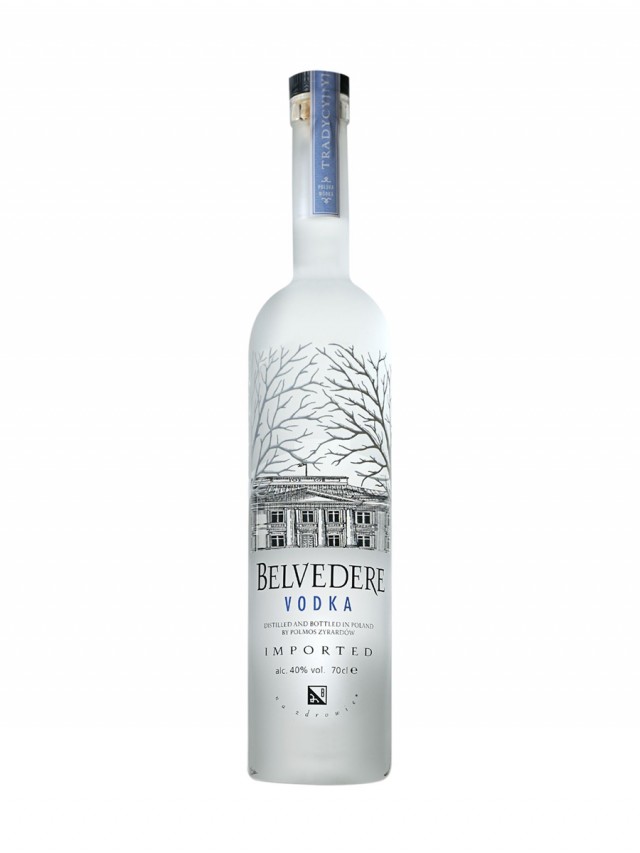

The first written record of vodka production in Poland dates to 1405, in the Sandomierz court documents, where the spirit is described as being used for medicinal purposes. By the sixteenth century, it had migrated from the apothecary to the table, and Polish nobles were commissioning private distilleries on their estates. By the eighteenth century, the Polish distilling tradition had evolved to a point of sophistication that would not be matched in the wider spirits world for another two hundred years.
I think about that trajectory when I hold a glass of Belvedere or Chopin. Six hundred years is not a background detail. It is the product itself.
The Rye Imperative
Polish vodka's defining characteristic is its relationship with rye. While other producing nations — Sweden, France, Russia — have developed their identities around wheat or other grain bases, Poland returned consistently to rye as its primary distilling grain. The reasons are partly agricultural (Poland's continental climate suited rye, a hardier crop than wheat), partly cultural (rye bread is to Polish cuisine what baguette is to French — foundational and identity-defining), and partly sensory (rye produces a richer, spicier spirit that Polish palates came to regard as definitional).
The Protected Geographical Indication "Polska Wódka," formalised in EU law in 2013, codifies this relationship. To carry the designation, a vodka must be produced from one of five base ingredients grown in Poland — rye, wheat, barley, oats, or potato — and distilled and bottled in Poland. The regulation creates a quality floor and a provenance guarantee that benefits the entire category.
The Great Houses
Belvedere, operating from the Polmos Żyrardów distillery since 1910, is the most internationally visible expression of the Polish tradition. Its use of Dankowskie Gold rye — a heritage variety developed specifically for distilling — and its single-estate range represent both the continuity and the contemporary evolution of the craft. The single-estate series is the most ambitious terroir project in vodka history.
Chopin, younger by eight decades but no less serious in its intentions, has built its reputation on potato rather than rye. Tadeusz Dorda's insistence on Stobrawa potatoes, September harvest, and unchanged production methods for thirty years has produced a vodka that is as consistent and distinctive as any aged spirit from the world's great distilleries.
Żubrówka occupies a different register entirely. The addition of bison grass — harvested from the Białowieża Forest, the last primeval forest in Europe — produces a vodka that is, strictly speaking, flavoured, but whose botanical integration is so complete that the bison grass character feels intrinsic rather than applied. It is one of the most distinctive spirits in the world.
What Poland Understood First
The premium vodka movement of the late twentieth century — Grey Goose, Absolut, the whole French and Swedish experiment — was built on Polish foundations. The notion that vodka could command a luxury price, that it could carry provenance and craft as arguments for premium positioning, that drinkers would pay considerably more for a well-made, well-sourced spirit — all of this was demonstrated by Polish producers centuries before Bacardi thought to bottle spring water from Cognac.
Poland did not invent the premium vodka marketing strategy. It invented the premium vodka. The marketing came later, from elsewhere, borrowing an argument that had already been made.