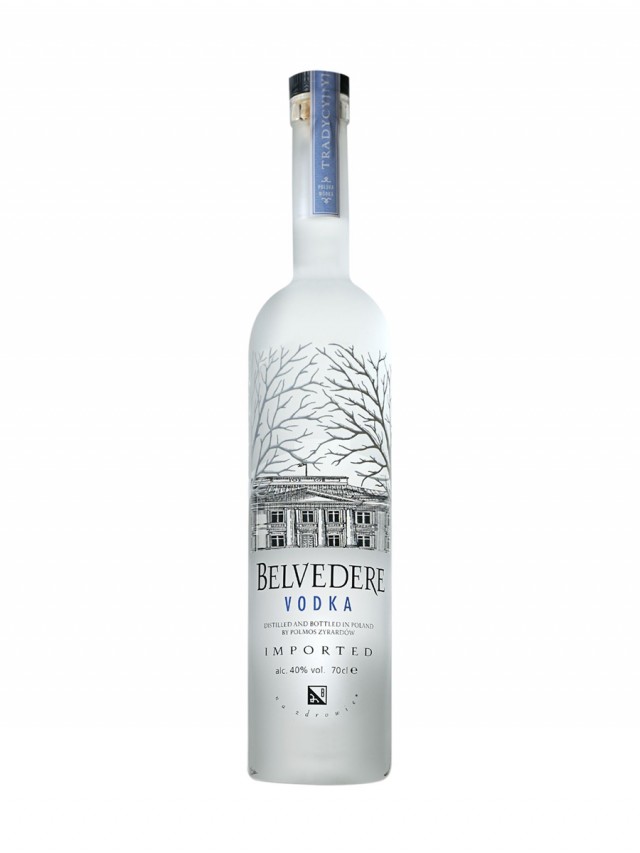

I was standing in a rye field in Masuria in the last week of September, watching a combine harvester move through grain that would, within six weeks, become vodka. The estate manager — a third-generation farmer named Krzysztof who had been supplying Belvedere for eleven years — bent down and picked up a handful of soil. He described its composition the way a Burgundy vigneron might describe his premier cru: the mineral structure, the moisture retention, the effect of the nearby lake on diurnal temperature variation. He used the word "terroir" without any apparent self-consciousness about applying it to vodka.
That moment crystallised something I had been observing for several years: the terroir conversation, which began in wine and migrated to whisky and gin, had quietly and definitively arrived in vodka.
What Terroir Means for a Neutral Spirit
The standard objection runs like this: vodka is distilled to near-neutral by definition, and filtration removes what distillation doesn't. The finished spirit cannot carry geographic identity in any meaningful sense. This argument has the surface plausibility of something that was never truly examined.
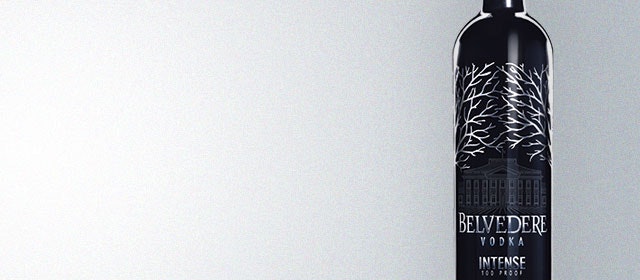
The evidence against it accumulates with every serious side-by-side tasting. Belvedere's single-estate rye series — Smogóry Forest, Lake Bartężek, Diamond Rye — demonstrates audible differences between estates less than two hundred kilometres apart, grown in the same country by the same methods and distilled in the same facility. The Smogóry Forest expression carries a savoury richness and subtle smokiness absent from the lighter, more floral Lake Bartężek. These differences originate in the soil, the microclimate, and the grain variety, and they survive four distillations and charcoal filtration.
The Icelandic Case
Reyka Vodka makes a complementary argument from a different direction. The distillery does not emphasise grain provenance — it emphasises water and filtration. The Arctic spring water used in production has spent decades filtering through ancient lava rock before it reaches the distillery. The lava rock filtration step in production further shapes the mineral character of the finished spirit.
Drink Reyka alongside any grain vodka made with treated municipal water and the difference is not subtle. There is a crystalline precision to Reyka's mineral quality — a cleanness that is geographic rather than merely technical. Iceland is in the glass.
Why the Market Is Moving This Way
Provenance narratives are commercially powerful because they are difficult to replicate. A competitor can copy a recipe, replicate a production process, or undercut a price point. Nobody can manufacture 600-year-old lava rock formations or recreate the specific soil composition of a Polish estate that has been farming the same variety for a century. Terroir, when it is genuine, is a moat.
There is also a growing consumer audience that has been educated about provenance by wine, whisky, and gin, and is now applying those expectations to vodka. This audience understands that "neutral" is not the same as "characterless," and is willing to pay a premium for spirits that can tell a specific, verifiable geographic story.
What to Look For
The terroir conversation in vodka is not without its opportunists. Some provenance claims are marketing language dressed up as agricultural specificity. The signals worth trusting: single-estate designations with named farms, verifiable grain varieties with documented growing regions, water source documentation with independent verification, and producers who make the same claims year after year without shifting the story. The best terroir vodkas are consistent precisely because the place they come from is consistent. That consistency is itself the argument.