
A vodka martini is the most honest application of the spirit. There is nowhere to hide. The vermouth is there — or it should be, despite the fashion for near-vermouth-free servings that borders on drinking chilled vodka with a garnish — but it contributes qualification rather than concealment. What the vodka brings to the glass, the glass presents without apology.
I tested ten bottles over two evenings, using the same method throughout: 60ml of vodka, 20ml of Noilly Prat dry vermouth, stirred with ice until properly diluted and cold (a minimum of 30 seconds), served in a pre-chilled coupe with a lemon twist expressed over the surface. Nothing from a freezer — chilling before dilution produces a martini that is too cold and insufficiently diluted, which obscures character rather than revealing it.
What a Martini Demands of Vodka
The martini format amplifies certain qualities and suppresses others. It amplifies texture — creamy vodkas produce notably different martinis from light, crisp ones. It amplifies finish — any harshness or bitterness in the base spirit extends and intensifies. It amplifies aromatic complexity — the vermouth lifts volatile compounds that might be imperceptible in the spirit alone. What it suppresses is raw sweetness: the dilution and temperature reduce the perception of sweetness, which is why very sweet vodkas (most corn-based expressions) produce martinis that feel slightly flat.
The Results
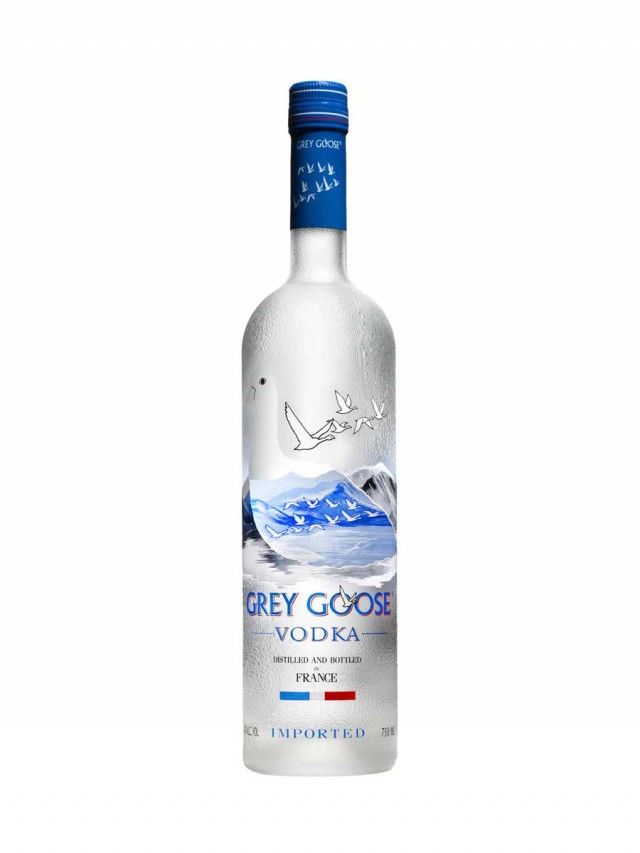
Grey Goose — The industry default recommendation, and with reason. Clean, precise, beautifully balanced with the Noilly Prat. The citrus in the wheat carries through and amplifies the lemon twist. The finish is medium-long and impeccable. An essentially perfect martini vodka.
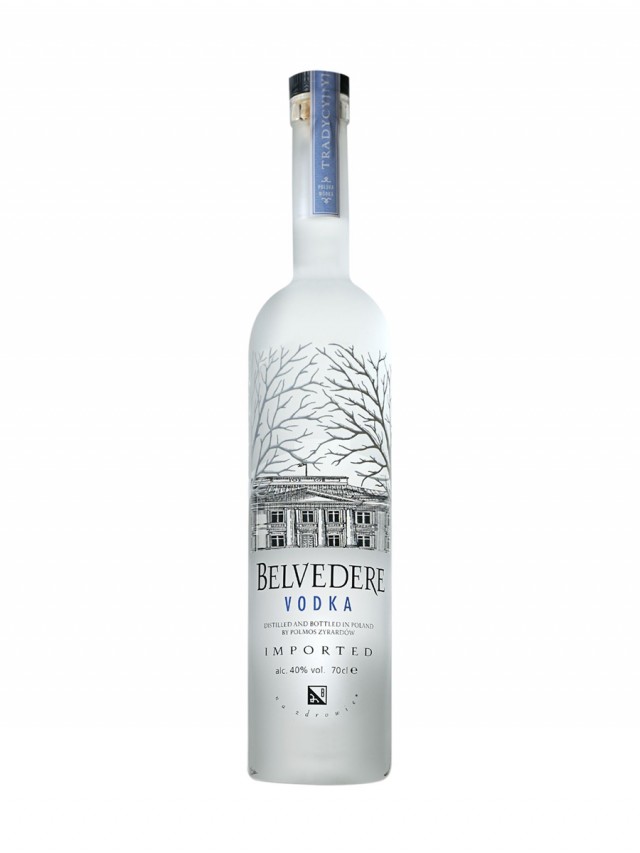
Belvedere — My personal preference, marginally. The rye character adds a dimension that Grey Goose's wheat cannot match: a subtle spice on the mid-palate that makes the drink feel more alive. The body is fuller and the finish longer. Recommended for anyone who wants their martini to have an opinion.
Ketel One — Excellent and underrated in this application. The citrus brightness integrates beautifully with the vermouth, and the texture is very good for a wheat expression. A value recommendation at the premium tier.
Chopin Potato Vodka — The most distinctive martini of the ten. The creaminess produces a drink with an unusual weight and richness — almost dairy-smooth, with an earthy depth that lasts. Not a classic martini, but an exceptional one if that character appeals to you.
Reyka — Fascinating. The mineral purity translates into a martini of crystalline cleanness — almost aggressive in its clarity. Paired with a very dry vermouth ratio (5:1 or more) and an olive rather than lemon, it produces something unique.
What to Avoid
Flavoured vodkas are obvious non-starters. Corn-based vodkas at the accessible end of the market tend to produce flat, slightly sweet martinis without the aromatic complexity the format demands. Budget expressions — anything below £20 a bottle — typically reveal harshness in the martini format that mixed drinks would obscure. The martini is a luxury application. It requires a luxury spirit.