
The legal definition of vodka — a spirit distilled to at least 96% ABV and "characterised by the absence of distinctive character, aroma, taste or colour" — was written by committee, and it shows. It describes not a category but an industrial process. Applied rigorously, it would rule out almost every premium vodka on the market today, including all the ones worth drinking.
The myth of flavourless vodka served a specific commercial purpose in the twentieth century: it allowed global brands to market a single product across wildly different cultural contexts by promising that the spirit would offend nobody. In pursuit of that promise, the industry distilled vodka into near-oblivion and trained several generations of drinkers to believe that quality was measured in the absence of character rather than its presence.
The Sensory Argument
At 40% ABV — the legal minimum and the standard commercial proof — vodka is 40% ethanol and 60% water. The remaining fraction is composed of congeners: fatty acids, esters, higher alcohols, and residual compounds from fermentation and distillation. These compounds exist in quantities measured in parts per million, but human taste and smell receptors are extraordinarily sensitive instruments. The nose can detect certain aroma compounds at concentrations below one part per billion.
The congener profile of a wheat vodka differs measurably from that of a rye vodka, a potato vodka, and a grape vodka. Analytical chemistry confirms what a decent palate discovers in twenty minutes of comparative tasting: these are different spirits with different chemical identities, and those identities produce different sensory experiences.
Base Ingredient as Character
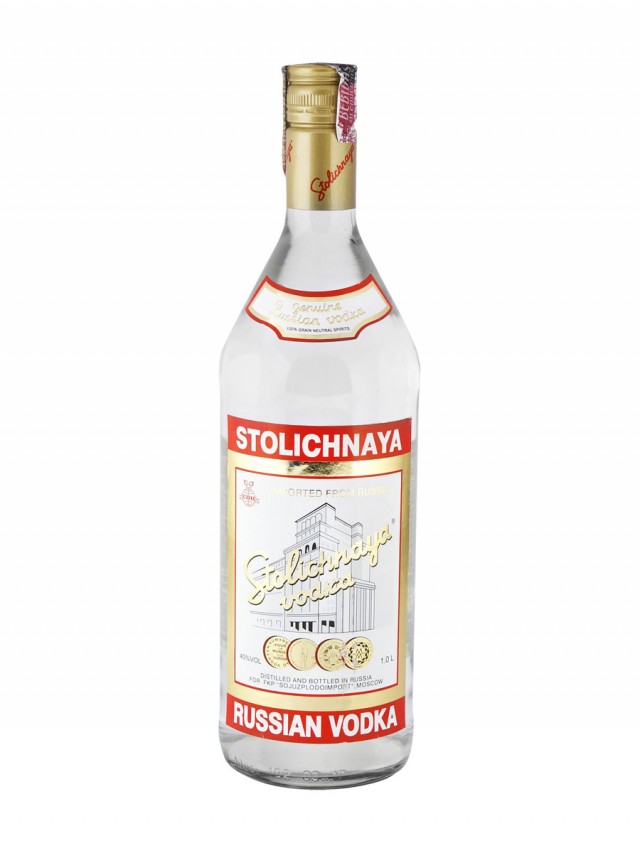
Stolichnaya offers a useful illustration of the point. Made from wheat and rye in a classic Russian ratio, it occupies a middle ground between the clean sweetness of pure wheat expressions and the spicier complexity of pure rye. That specific flavour position — the bread-dough warmth, the clean grain mid-palate, the mineral quality on the finish — is the product of that specific base ingredient combination, processed by that specific distillery in that specific region. You cannot arrive at it by starting somewhere else.
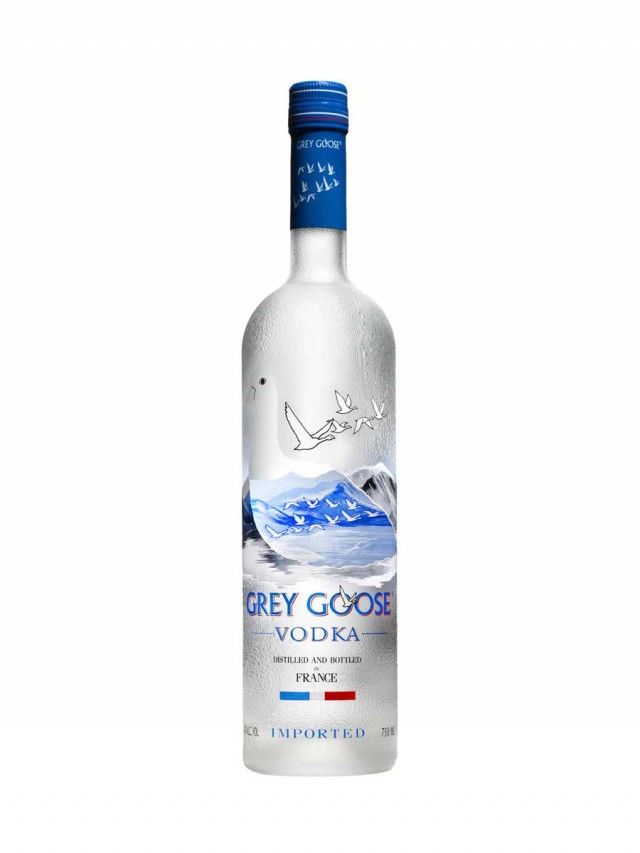
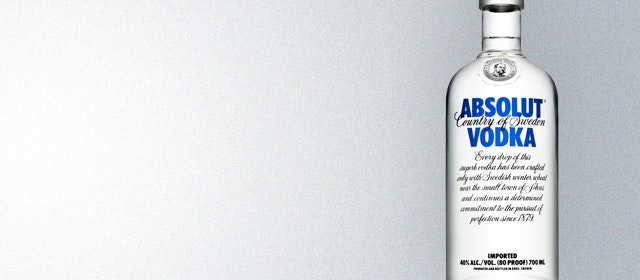
Grey Goose, also wheat-based but from Picardy winter wheat processed in Cognac with water from the Gensac-la-Pallue aquifer, tastes distinctly different from Absolut, also wheat-based but from Ahus winter wheat in Sweden. The raw materials are nominally the same. The liquid in the glass is not.
Distillation as Editing, Not Erasing
Multiple distillation is often misunderstood as a process that removes character. It is more accurately understood as a process that shapes character — deciding which compounds to carry forward and which to leave behind. The editor of a great novel does not remove the author's voice; they clarify it. The master distiller does the same with congeners. Chopin's four distillation passes produce a potato vodka with more creaminess and precision than raw potato spirit, not less potato character.
The Practical Implication
If vodka were truly neutral, every brand would taste identical once you adjusted for proof and temperature. The fact that serious drinkers have strong, consistent, articulable preferences between specific expressions — preferences they can demonstrate in blind tastings with high accuracy — is the empirical refutation of the neutrality myth. Vodka is not flavourless. It never was. The industry spent decades telling us otherwise, and we believed it because we were not paying attention. The invitation now is to start paying attention.