
When I was training as a bartender, my mentor told me that vodka was vodka — that the base ingredient didn't matter once you had distilled and filtered it enough times. He was wrong, and I think he knew he was wrong even when he said it. The best bartenders learn quickly that base ingredients are everything. Here is what I wish someone had told me on day one.
Why Base Ingredients Matter
Vodka is defined legally as a neutral spirit — but "neutral" is a relative term. At 40% ABV, no spirit is truly flavourless. The congeners, fatty acids, and esters that survive distillation and filtration carry the fingerprint of whatever fermented first. A skilled distiller manages these compounds; they do not eliminate them.
The differences between base ingredients are most apparent when you drink vodka neat. They become subtler in cocktails but they do not disappear. If you care about what goes into your glass, here is your field guide.
Wheat
Profile: Clean, smooth, subtly sweet, with a light creamy texture and hints of citrus or white pepper on the finish.
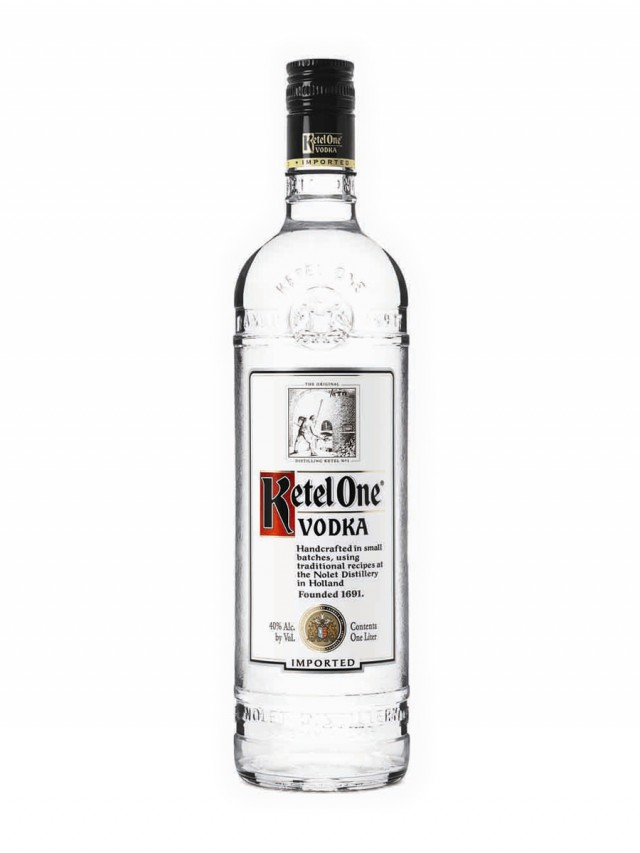
Examples: Grey Goose, Absolut, Ketel One, Belvedere (though Belvedere uses rye — more on that below).
Wheat is the most widely used base ingredient in premium vodka and for good reason: it is versatile, predictable, and produces an exceptionally clean spirit. The natural sweetness of winter wheat comes through in the finished spirit as a gentle roundness — it is what makes wheat vodkas so effortlessly mixable.
If you are building a bar from scratch and want one vodka that does everything well, a quality wheat vodka is your answer. Ketel One is my personal go-to recommendation for this role.
Rye
Profile: Fuller-bodied, spicier, more complex than wheat. Notes of pepper, vanilla, and cream. A longer, warmer finish.
Examples: Belvedere, Zubrówka, Wyborowa.
Rye produces a richer, more characterful spirit than wheat. Polish producers have been working with rye for centuries and it shows — Belvedere's rye expressions have a presence and complexity that makes them fascinating to drink neat but equally compelling in a stirred cocktail.
If you are used to wheat vodka and you try a good rye expression neat for the first time, the difference will be immediately obvious. More weight, more spice, more persistence on the finish. Some people find it too assertive; I find it revelatory.
Potato
Profile: Creamy, full-bodied, earthy, with vanilla, white chocolate, and a rich mineral finish.
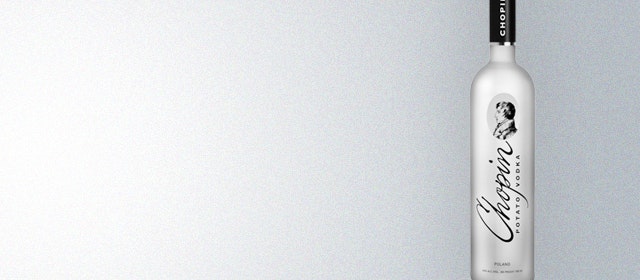
Examples: Chopin, Luksusowa, Karlsson's Gold.
I have dedicated a full guide to potato vodka separately, but the short version: it has more texture than any other base ingredient. The creaminess is structural, not added. It is the most labour-intensive vodka to produce, which is why it costs more. Worth it.
Corn
Profile: Light, clean, naturally sweet, with vanilla undertones and a gentle body.
Examples: Tito's, Deep Eddy, Copper Fox.
Corn vodka is the American craft story. Tito's built the entire contemporary American craft vodka movement on corn, and its success is not an accident — corn produces an approachable, easy-drinking spirit with natural sweetness that resonates with a broad audience. Not complex, but genuinely pleasant. Great in mixed drinks.
Grape
Profile: Distinctly fruity, floral, and elegant. Lighter body than potato. Fresh grape character, citrus blossom, exceptional smoothness.
Examples: Cîroc, Idol Blue, Armand de Brignac.
Grape vodka is unusual enough that it still surprises people who encounter it for the first time. The wine grape character survives distillation in a way that is subtle but unmistakable — you get a lightness and floral quality that grain vodkas cannot replicate. Cîroc uses Ugni Blanc and Mauzac Blanc grapes from the south of France, distilled five times. The result is unlike anything else on a back bar.
Barley
Profile: Creamy, slightly malty, with bread and cereal notes. Fuller than wheat, cleaner than rye.
Examples: Chase, Finlandia, Koskenkorva.
Barley vodka occupies an interesting middle ground — not as neutral as wheat, not as assertive as rye. Finnish producers have been working with barley for generations, and expressions like Finlandia deliver a subtle maltiness that makes them interesting to drink neat without being challenging.
The Exotic End: Rice, Quinoa, Milk Whey, and Honey
Contemporary distillers have pushed the base ingredient conversation in some genuinely surprising directions:
- Rice — Clean and delicate, with subtle floral notes. Popular in East Asian craft production.
- Quinoa — Used by Aylesbury Duck Vodka and a handful of others. Produces a particularly silky texture.
- Milk whey — Whey-based vodka (Black Cow in the UK) has a distinctive creaminess and sweetness derived from lactose. Fascinating and genuinely delicious.
- Honey — A few craft producers ferment honey-based wash for a subtly sweet, floral spirit.
My Recommendation
The fastest way to understand how base ingredients differ is to do a side-by-side tasting. Buy a miniature of each — wheat (Ketel One), rye (Belvedere), potato (Chopin), corn (Tito's), and grape (Cîroc). Pour 2cl of each into identical glasses at room temperature. Nose them first, then taste them. The differences will be immediately, undeniably clear. Do this once and you will never again believe that vodka is just vodka.