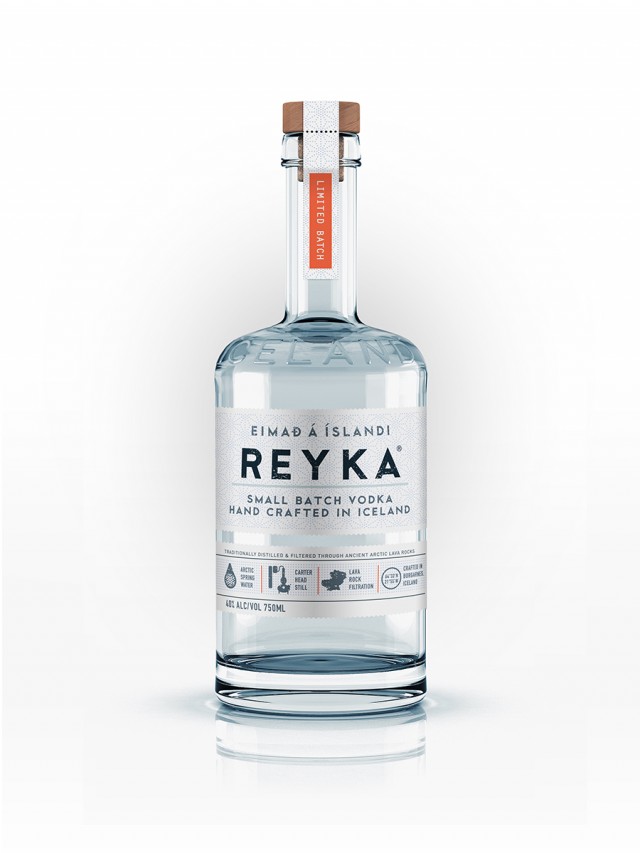

In the production room of the Reyka distillery in Borgarnes, Iceland, there is a column of ancient basalt lava rock through which every litre of finished spirit passes before bottling. The rock was formed during volcanic activity thousands of years ago, and its porous structure — the result of gases trapped in cooling magma — creates a filtration matrix of almost impossible complexity. Nobody designed it. It is simply geology, pressed into service as a distilling tool.
That juxtaposition — human craft and geological accident — captures something important about vodka filtration. The methods differ dramatically in origin and mechanism, but they share a common purpose: to shape the final character of the spirit by selective removal of compounds that would otherwise interfere with the target flavour profile.
What Filtration Actually Does
After distillation, a vodka spirit contains trace quantities of higher alcohols, fatty acids, and other congeners that contribute to roughness, off-notes, and inconsistency. Filtration is the process of removing or reducing these compounds. The critical variable — one that most brands do not discuss with enough honesty — is that filtration removes desirable compounds alongside undesirable ones. Over-filtration produces a spirit of technical impeccability and sensory emptiness. The art is in knowing when to stop.
Activated Charcoal
The most widely used filtration method in vodka production. Activated charcoal — typically derived from coconut shells or coal and treated with heat or steam to maximise surface area — adsorbs congeners through a combination of physical and chemical bonding. The surface area of 1 gram of activated charcoal can exceed 1,000 square metres. The efficiency of charcoal filtration is directly related to contact time: more passes, longer contact, more removal.
Russian and Eastern European producers have used charcoal filtration for centuries. Stolichnaya filters through quartz sand and activated birch charcoal in a process that has remained essentially unchanged since the Soviet era. The result is a clean, consistent character that has defined the Russian style for generations.
Lava Rock
Reyka's use of Icelandic lava rock is the most celebrated alternative filtration method in contemporary vodka production. The volcanic basalt's porous structure provides effective mechanical filtration without the aggressive adsorption of activated charcoal — meaning fewer desirable compounds are removed alongside the undesirable ones. The result is a spirit that is clean and precise without being stripped of the mineral character that makes it distinctive.
Silver and Diamond
Several premium producers — notably Chopin and a number of Russian craft distilleries — use silver filtration at some stage of production. Silver has natural antimicrobial properties and produces a measurable reduction in sulphurous compounds, contributing to the clean, almost sweet finish that characterises well-filtered Polish vodka. Diamond filtration, used by a handful of luxury expressions, is largely a marketing designation rather than a technically distinct process.
The No-Filtration Movement
A small but growing number of craft producers have concluded that filtration removes as much as it contributes, and have eliminated it entirely from their production process. This approach produces spirits with more raw character — sometimes more interesting, occasionally more challenging, always more revealing of the base ingredient and distillation method. It is not better or worse than filtered vodka; it is a different aesthetic choice. The best no-filtration expressions repay careful attention. The less successful ones simply taste unfinished.
The filtration decision is, ultimately, a philosophical one: how much of the original spirit's character do you want to preserve, and how much are you willing to sacrifice for smoothness and consistency? The answer defines not just the production method but the entire character of the finished product.