
There is a photograph I keep on my desk of the Nolet distillery in Schiedam, taken sometime in the 1980s. The building looks exactly as it does today — red brick, canal-side, unchanged by the century around it. Somewhere in that photograph, in a cellar probably, Carolus Nolet Sr. is doing what ten generations of his family have done before him: distilling grain into something refined and precise. The photograph sits next to an empty bottle of Tito's Handmade Vodka, which did not exist until 1997, when Bert "Tito" Beveridge convinced the state of Texas to let him distill in his backyard.
The contrast could not be more deliberate or more instructive.
Heritage vs Origin Story
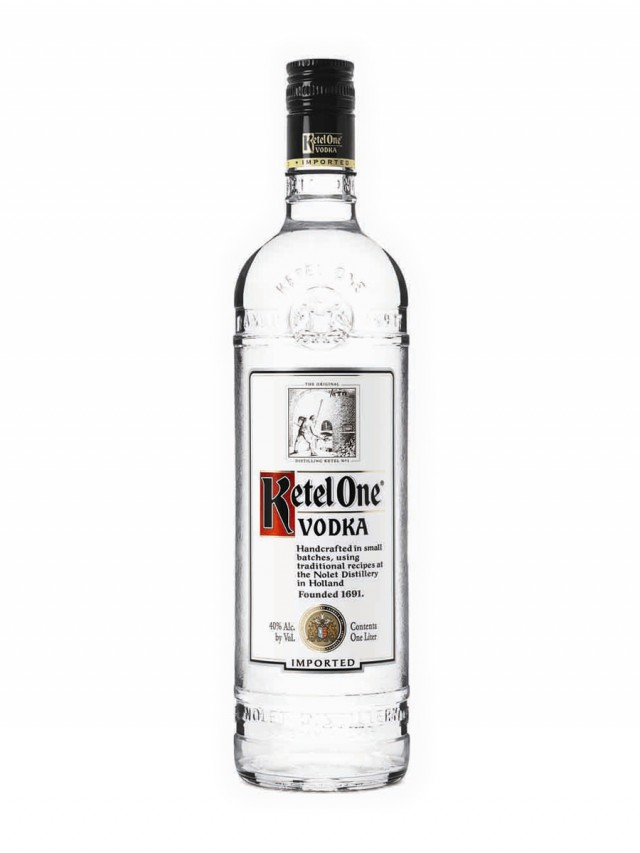
Ketel One carries the weight of three centuries of institutional knowledge. The Nolet family has been distilling in Schiedam since 1691. The current expression uses 100% winter wheat, processed in traditional copper pot stills before blending with column-distilled spirit — a hybrid approach that seeks both character and consistency. The name references the original coal-fired pot still, Distilleerketel #1, still present in the distillery today.
Tito's carries something rarer in the spirits world: a genuine American origin myth. Bert Beveridge remortgaged his house to buy the equipment, applied for the first legal craft distillery licence in Texas, and built his brand without marketing budget, celebrity endorsement, or corporate infrastructure. The first batches were produced in a single pot still. The vodka is made from yellow corn, distilled six times, and remains remarkably consistent despite production having scaled from dozens of cases to millions.
In the Glass
Ketel One is bright, citrus-forward, and confident in a very Dutch way — clean but not austere, smooth but with enough texture to confirm that it was made by humans rather than machines. There is honeysuckle on the nose, a silky wheat sweetness on the palate, and a medium-length finish with gentle pepper that fades gracefully. It is the most approachable "serious" vodka I know.
Tito's is sweeter, lighter, and more obviously designed for mixing. The corn base produces natural vanilla notes that work beautifully in Bloody Marys and vodka sodas. Neat, it is pleasant but unchallenging — which is probably the point. There is no pretension here, no provenance narrative, no claim to complexity. Just a clean, sweet corn vodka that does exactly what it says.
Which Earns the Shelf Space?
Ketel One, without much deliberation. If you are going to spend the same amount of money on a bottle that will serve as your everyday premium vodka — neat, in cocktails, at dinner — Ketel One delivers more character per pound than Tito's. The Dutch heritage and the pot still hybrid process produce something genuinely interesting that rewards attention.
Tito's earns its place as a second bottle — the one you reach for when you are making a pitcher of cocktails and want reliability over revelation. Both are good. They are just not trying to be the same thing, which makes choosing between them less a question of quality and more a question of occasion.